How to Dress for Winter Cycling – A Practical Guide
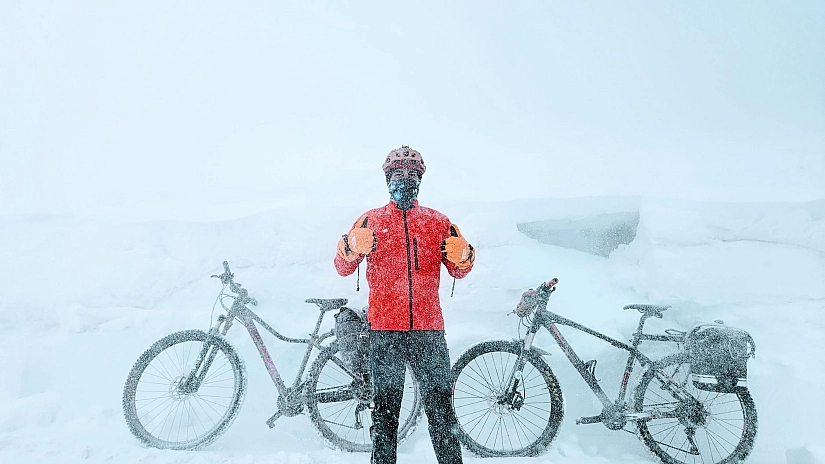
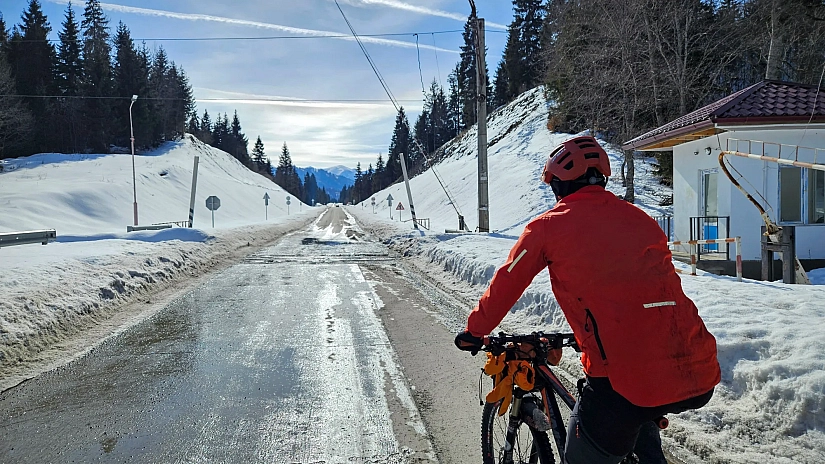
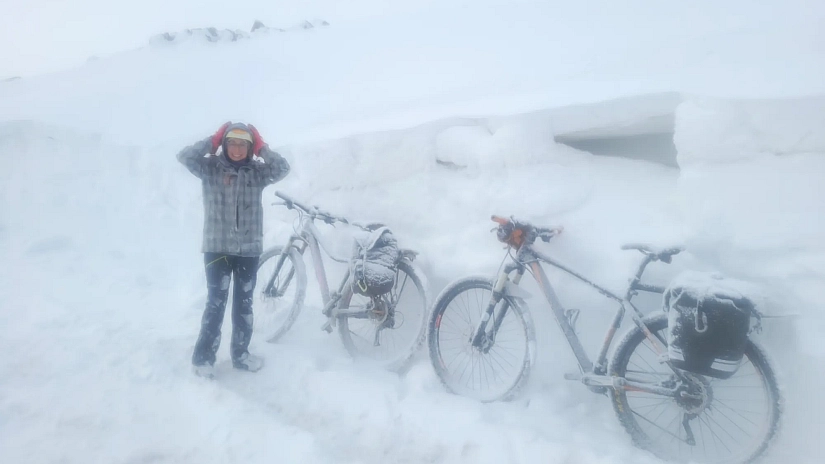
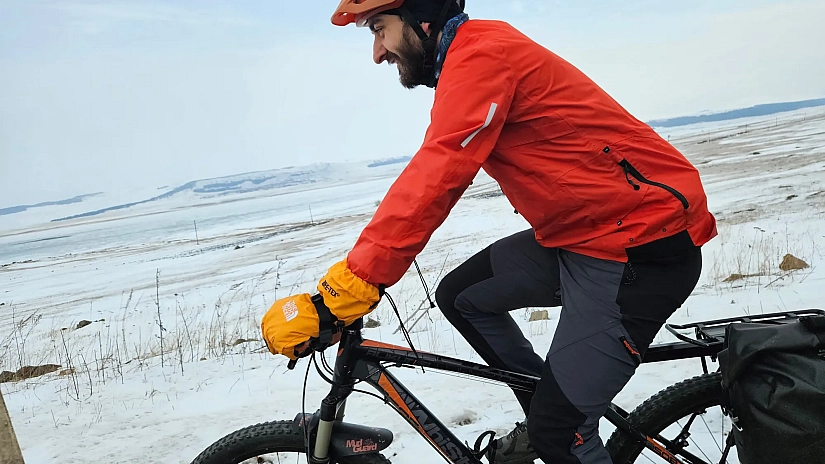
Winter cycling can be challenging for many riders, but with the right clothing, cold weather is no longer a problem.
In this guide, we explain what to wear when cycling in winter conditions between 0–10°C, how the layering system works, which fabrics and materials to choose, and how to protect yourself from cold temperatures and wind.
Why Proper Clothing Matters When Cycling in Winter
Winter in Tbilisi and Eastern Georgia is often relatively mild, but wind and humidity can make the air feel much colder than the actual temperature. For example, +5°C with strong wind can feel like 0°C or even colder.
Layering – The Best Strategy for Cold Weather
A single thick jacket does not work well in winter. The best strategy is layering:
- Base layer – absorbs sweat, dries quickly, and keeps the body dry
- Mid layer – retains body heat
- Outer layer – protects against wind and rain
This system allows you to adapt quickly to weather and temperature changes: if you get warm, remove one layer; if you feel cold, add one.
Base Layer – What Material and Fit Should It Have?
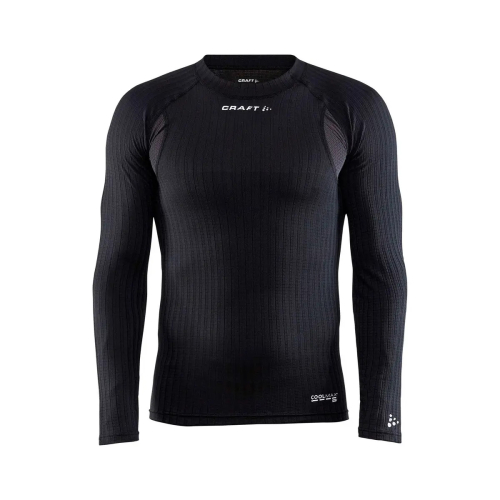
The base layer is the foundation of winter cycling clothing. It should fit snugly against the body, have long sleeves, and be made of synthetic fabric or merino wool.
- Synthetic fabrics – dry quickly, are affordable, and easy to wash
- Merino wool – resists odors, feels comfortable, and stays warm even in windy conditions
Why Cotton Is Not Recommended
Cotton absorbs sweat quickly and dries very slowly. As soon as you stop (at a traffic light or during a short break), wet cotton makes you feel cold almost immediately. That is why cotton should be avoided in winter cycling clothing.
Mid Layer – How to Choose the Right One
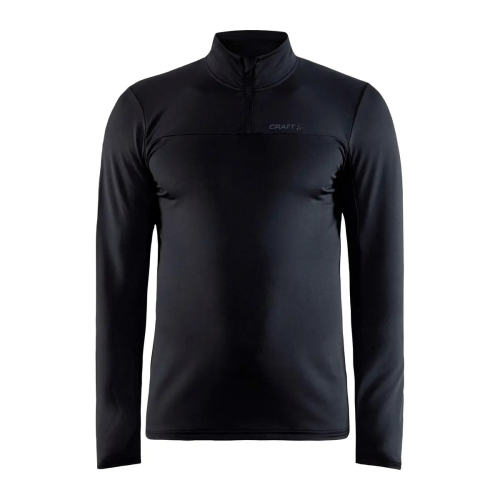
Thermal Jerseys and Fleece
The mid layer is responsible for warmth:
- Warm thermal cycling jerseys
- Lightweight fleece that does not feel bulky
- Breathable but insulating fabrics
Outer Layer – Windproof / Waterproof Jackets

In most cases, the outer layer should be windproof, especially around the chest and shoulders.
When Do You Need a Waterproof Jacket?
If there is a high chance of rain, a lightweight waterproof cycling jacket is a good option. You can carry it in a bag and wear it only when needed.
Softshell vs Hardshell – Differences and Use Cases
- Softshell – more breathable, flexible, ideal for everyday rides
- Hardshell – better rain protection, but may be less breathable
Lower Body – Thermal Bib Tights

For winter riding, thermal bib tights are the best solution. They are one-piece, body-hugging, and designed to keep you warm.
A brushed fleece interior helps retain heat and prevents skin irritation. In the 0–10°C range, these tights are a nearly universal choice.
Socks and Overshoes – Keeping Your Feet Warm
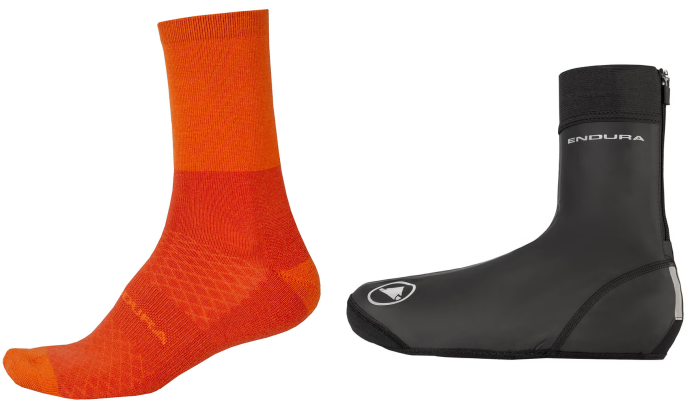
Advantages of Merino Wool Socks
Toes are usually one of the first parts of the body to get cold in winter. Merino wool socks manage moisture well, retain warmth, and reduce chilling caused by sweat.
Neoprene Overshoes
If you plan long rides or live in a cold, windy area, neoprene overshoes can make a noticeable difference. They protect your shoes from wind and moisture, keeping your feet much warmer.
Gloves
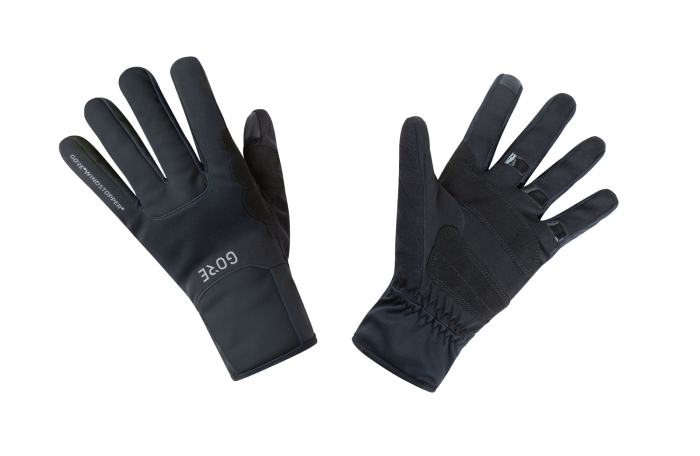
Winter cycling gloves should be:
- Windproof
- Warm but not too bulky (to maintain full brake control)
- Reinforced in key areas to block cold airflow
Head and Neck Protection
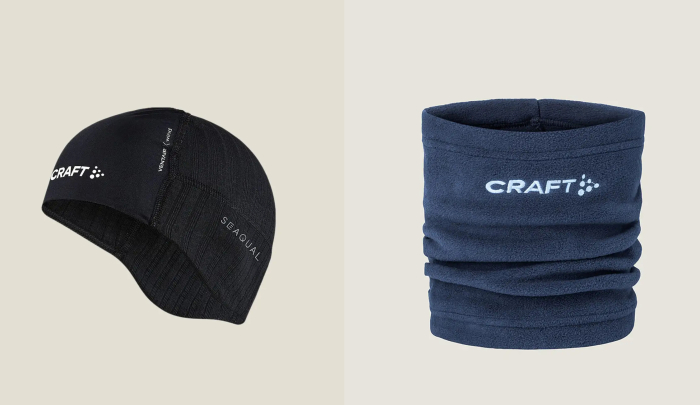
Skull Cap Under the Helmet
A thin skull cap worn under the helmet plays an important role. It covers the forehead and ears and blocks direct cold airflow.
Buff / Neck Warmer – Best Protection Against Wind
A neck warmer protects the neck and throat. It can be pulled up to prevent cold air from being inhaled directly.
Glasses – Why Clear or Amber Lenses Are Important
Cold wind hitting the eyes can cause tearing, irritation, and reduced visibility. Cycling glasses protect not only from sunlight but also from wind.
Clear or amber lenses are the best choice in winter, as daylight hours are short and it gets dark quickly.
Winter Safety – Lights and Reflective Elements
Due to shorter daylight hours, your bike should be equipped with:
- A front light (preferably with multiple modes)
- A bright red rear flashing light
- A power bank for longer rides
Reflective Elements on Clothing and Bike
Reflective strips on jerseys, jackets, tights, or the bike itself significantly increase visibility at night. This is especially important in cities with heavy traffic.
Quick Checklist – What to Wear at 0–10°C
- Thin thermal base layer (no cotton)
- Thermal cycling jersey or lightweight fleece
- Windproof (and waterproof if needed) jacket
- Thermal cycling tights with fleece lining
- Merino or winter socks (plus overshoes if needed)
- Winter cycling gloves (optionally layered)
- Skull cap + buff / neck warmer
- Clear or amber lens cycling glasses
- Front and rear lights + reflective elements
Now You Know That Winter Is Not an Obstacle With the Right Gear
Layering, proper fabrics, and suitable equipment guarantee comfort and safety
Winter does not mean your bike has to stay indoors. The layering system, properly selected thermal clothing, and essential accessories (gloves, overshoes, buff, lights) can completely change your riding experience. Once you dress correctly and feel comfortable, winter may become one of the most enjoyable cycling seasons.