

If you think people in the Netherlands cycle simply because the roads are flat and the scenery is beautiful, you couldn't be more wrong. This country became a cycling paradise because of a great tragedy and the determined protests of its people.
In the 1970s, when cars took over the streets and road accidents claimed the lives of hundreds of children, the Dutch people simply said, "Enough is enough." They refused to live in cities dominated by cars and began redesigning their streets for people — creating a peaceful, clean, and safe environment.
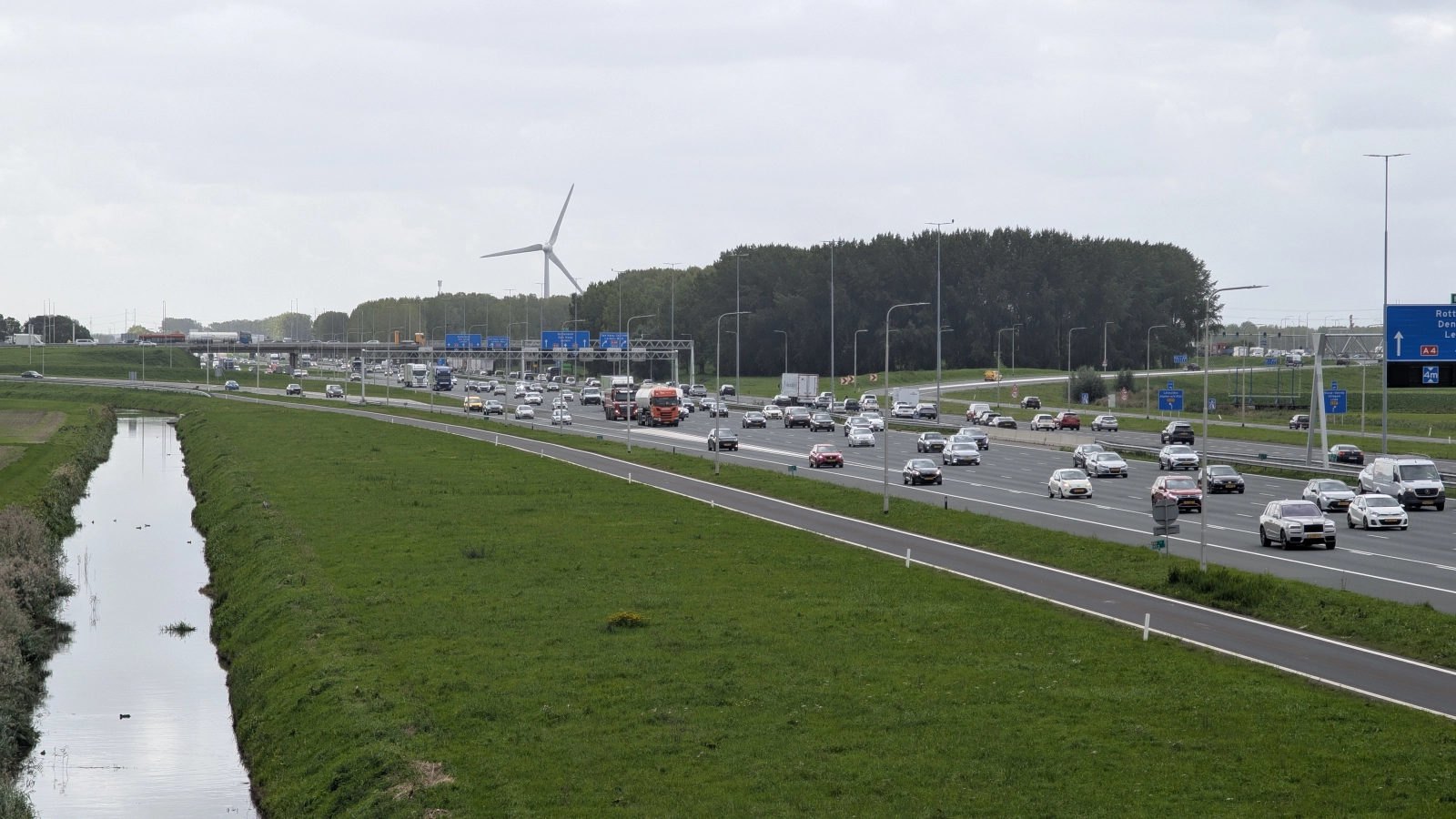
Today, cycling is part of everyday life and national identity in the Netherlands. It is difficult to find someone who doesn't know how to balance on two wheels. Whether you're a schoolchild, a banker, or even the prime minister, everyone is equal on the streets, regardless of status or stereotypes. The law places great emphasis on protecting the most vulnerable road users, including cyclists. Here, infrastructure is a form of silent care — some traffic lights can even detect rain and give cyclists a green light sooner, while continuous, protected cycle paths allow you to travel across the country without worrying about where the path might suddenly end.
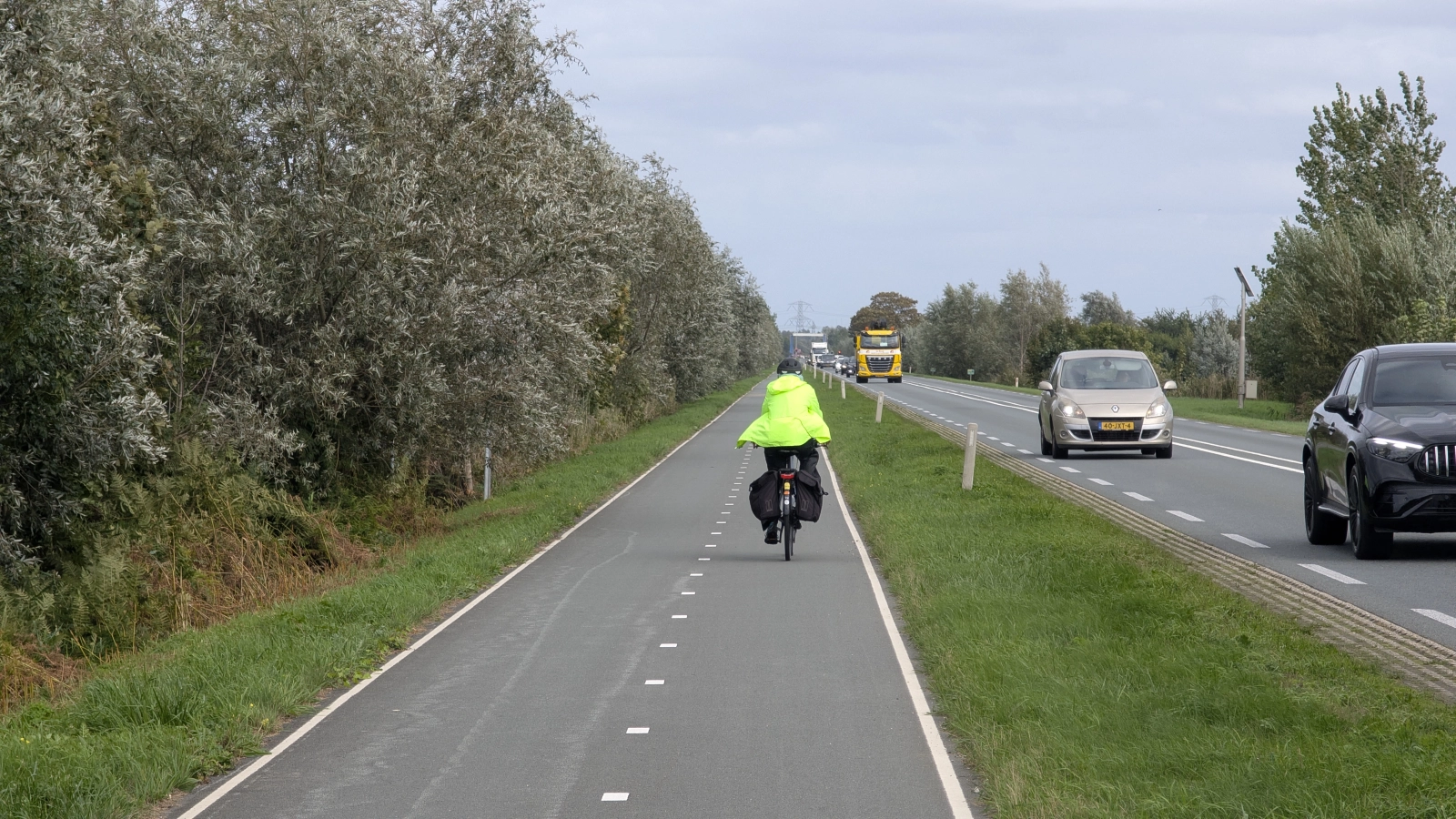
Cycling along these paths brought me both tremendous happiness and sadness.
Happiness, because I was seeing with my own eyes a reality where cyclists are treated with such care and respect. Sadness, because at almost every turn, I remembered the streets back home, where cycling often feels like a daily struggle for survival, and a society that still finds it difficult to notice and respect people on two wheels. As I rode along those endless, peaceful cycle paths, I often found myself wondering: Will we ever manage to build this kind of cycling culture in our own country?
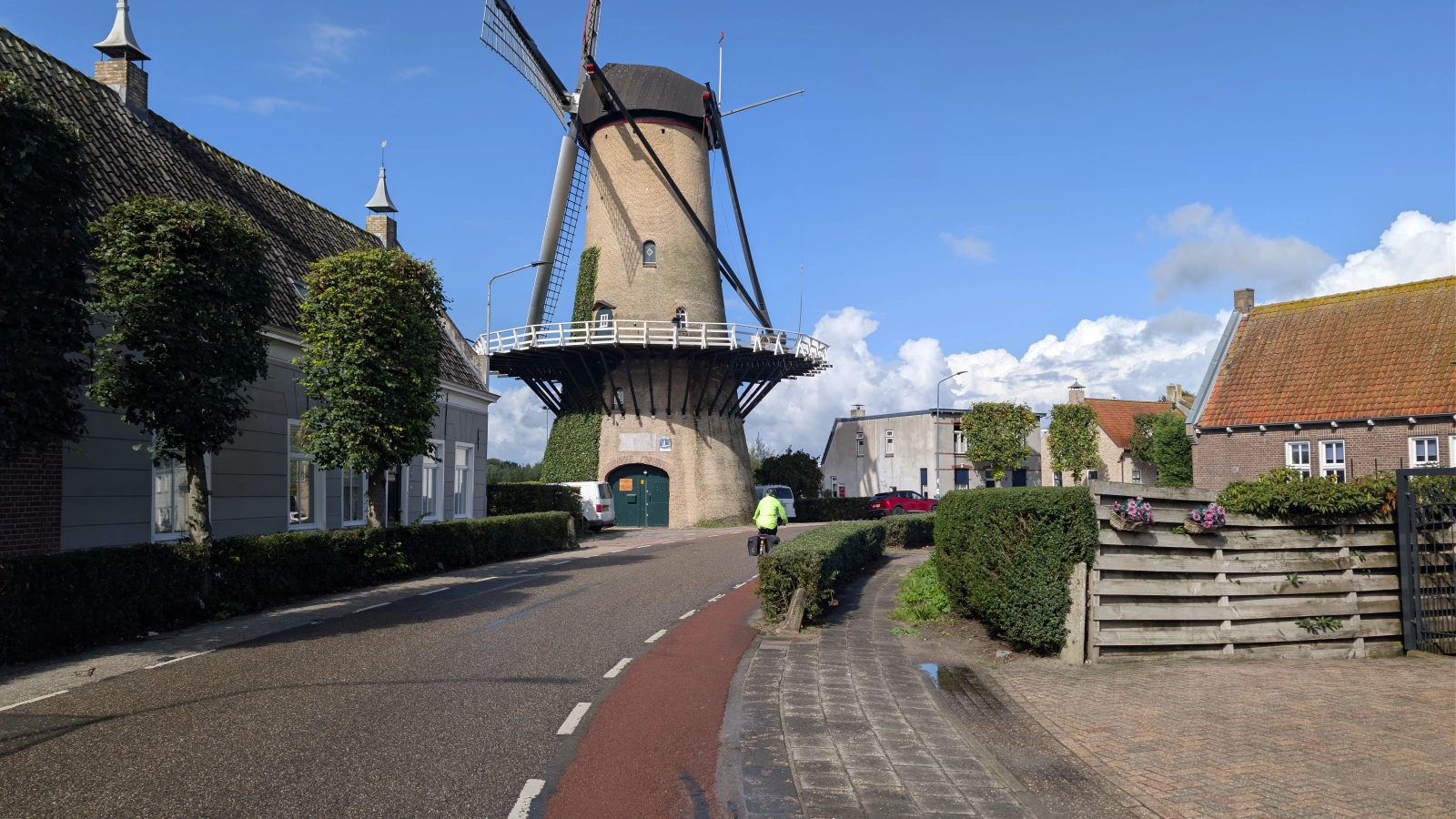
One thing I simply couldn't get used to was drivers giving way to us at intersections. Instinctively, I would still hesitate and wait until a car had come to a complete stop. Years of developing survival instincts on the road don't disappear overnight. To Dutch drivers, my hesitation and lack of trust probably seemed strange, perhaps even a little crazy. But to me, their effortless courtesy still felt like an unbelievable miracle.
Along the way, we noticed another interesting detail: we rarely saw overweight people on the streets. It was difficult not to associate this observation with the Dutch cycling lifestyle — here, physical activity is as natural as a daily hygiene routine.
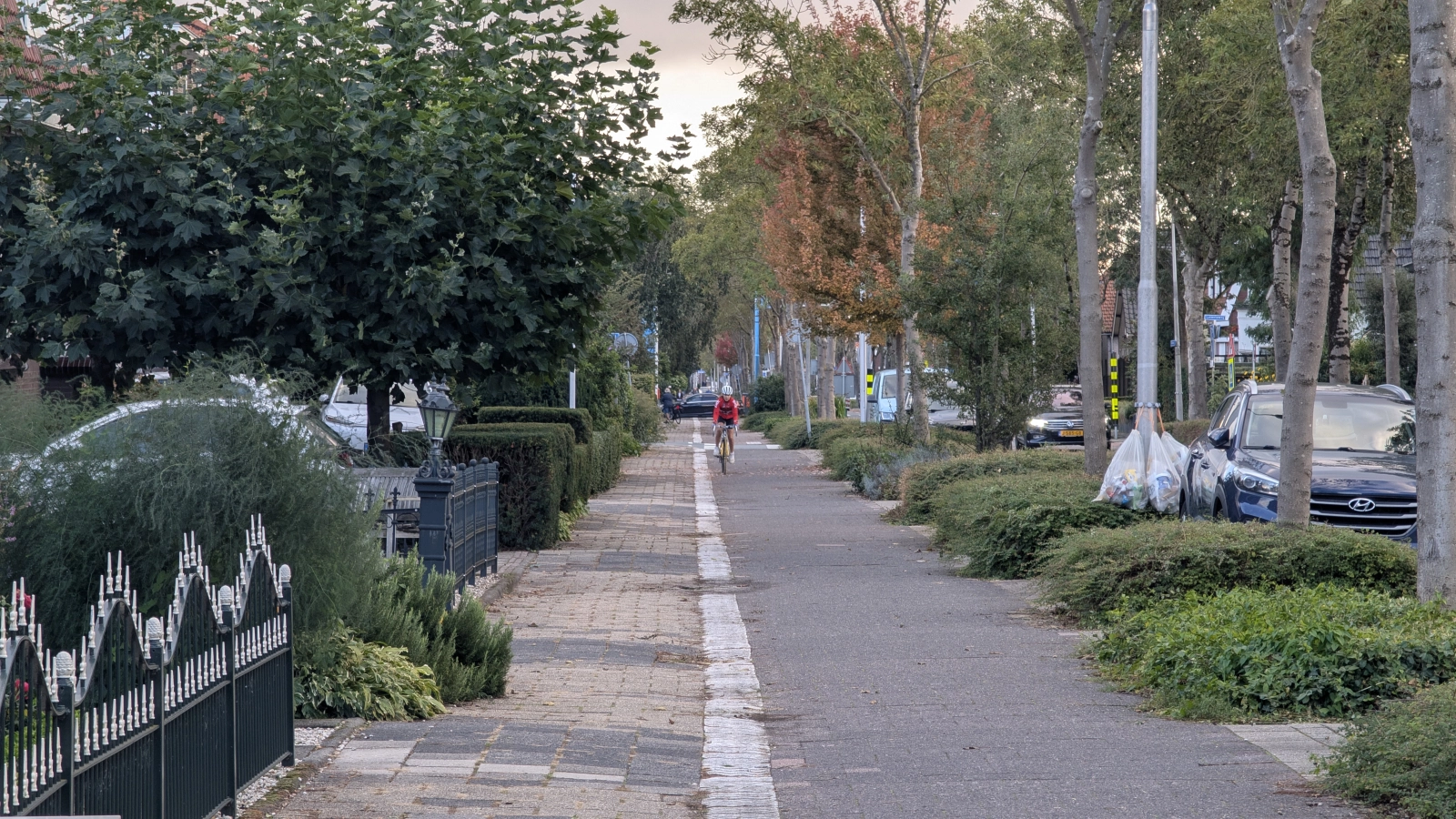
As for our route, we started in Amsterdam.
We rented bicycles in the city at a very reasonable price and headed straight into the capital's busy streets. To tell the truth, navigating through so many people initially felt overwhelming and even a little frightening. I had never seen so many cyclists in one place before. However, the infrastructure was so well-designed and logical that I quickly adapted to the flow of traffic. All I had to do was follow the other cyclists and signal my turns with my hand. Soon, my fear disappeared completely, and the tension gave way to pure enjoyment.
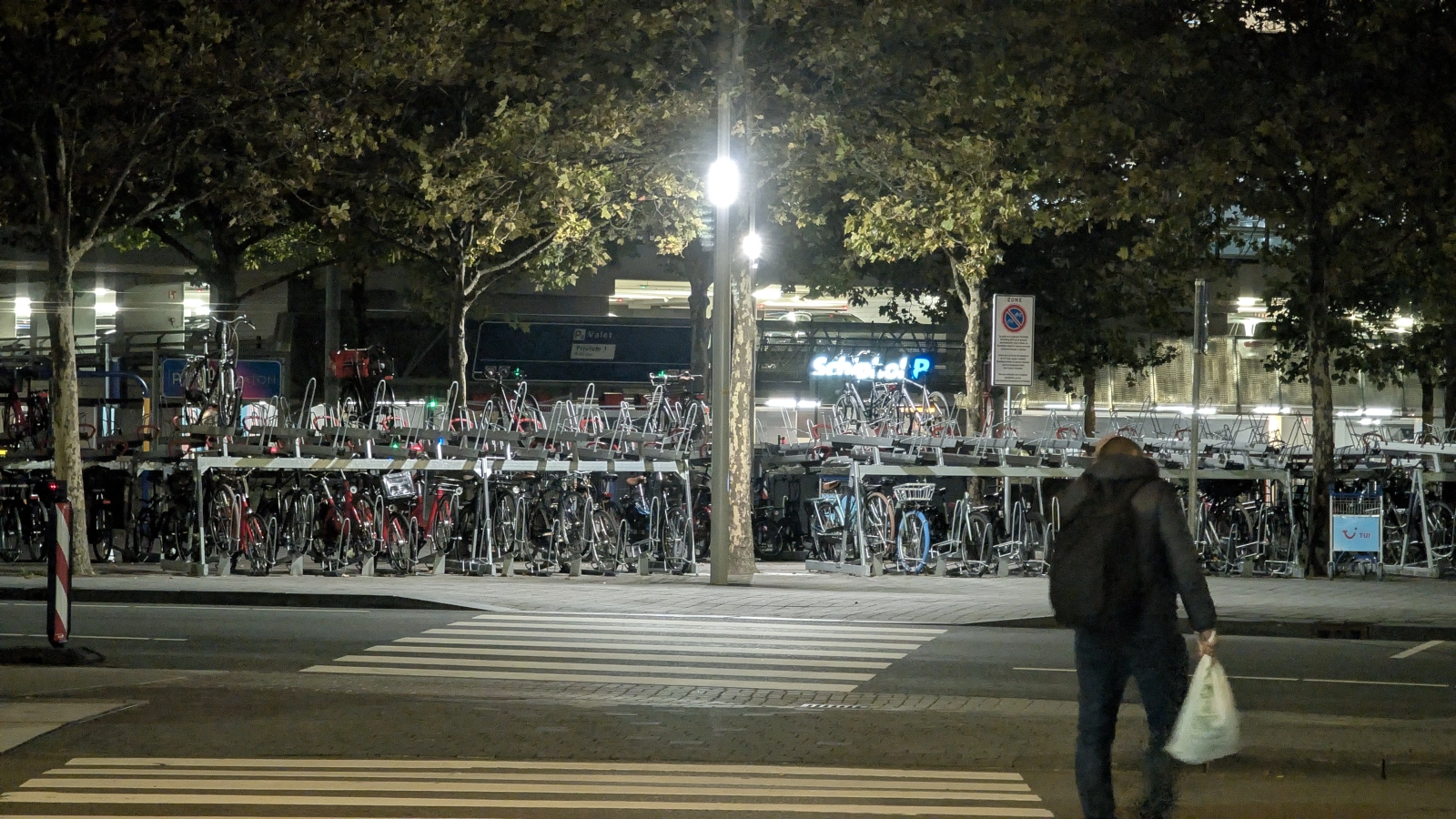
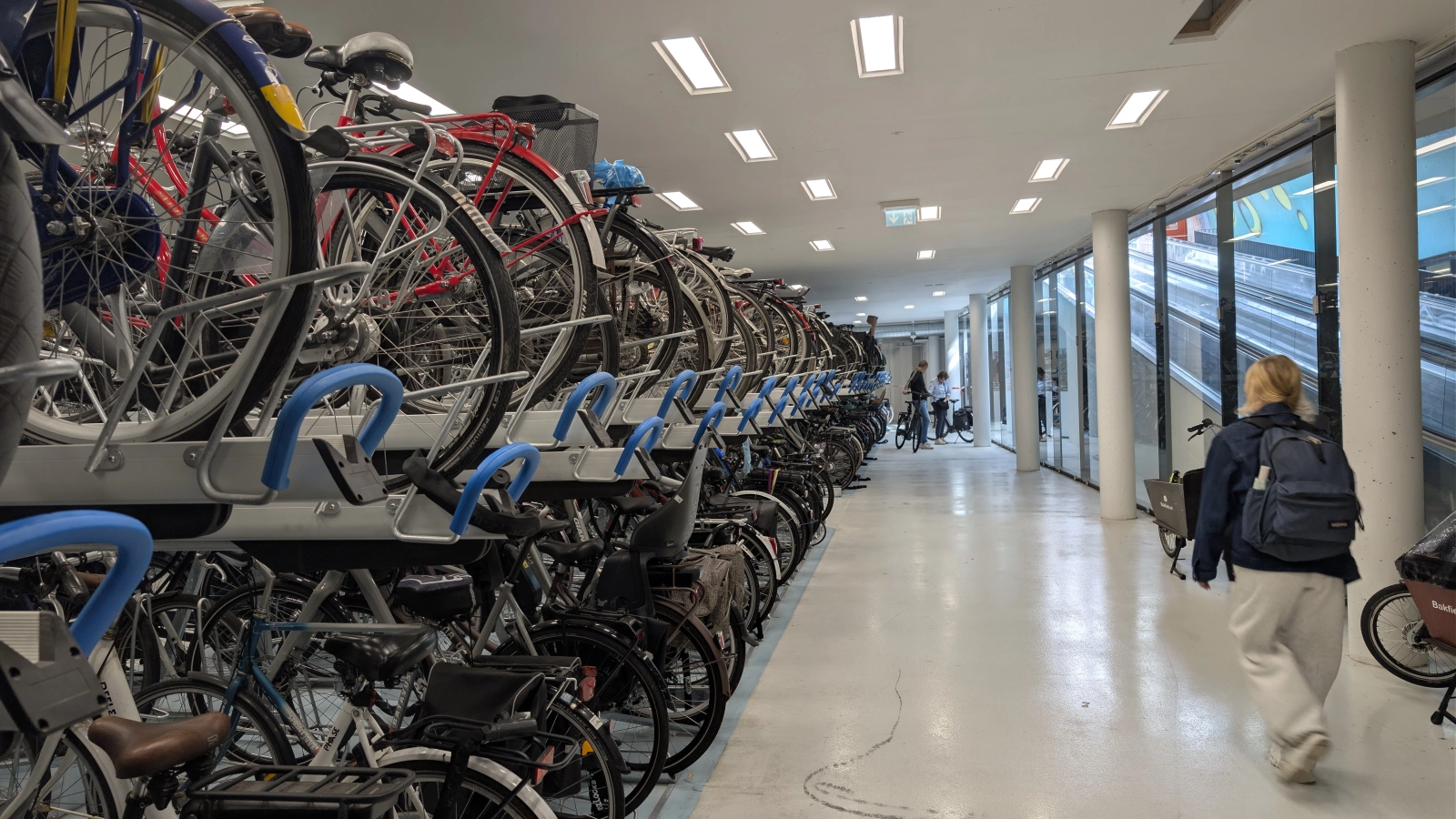
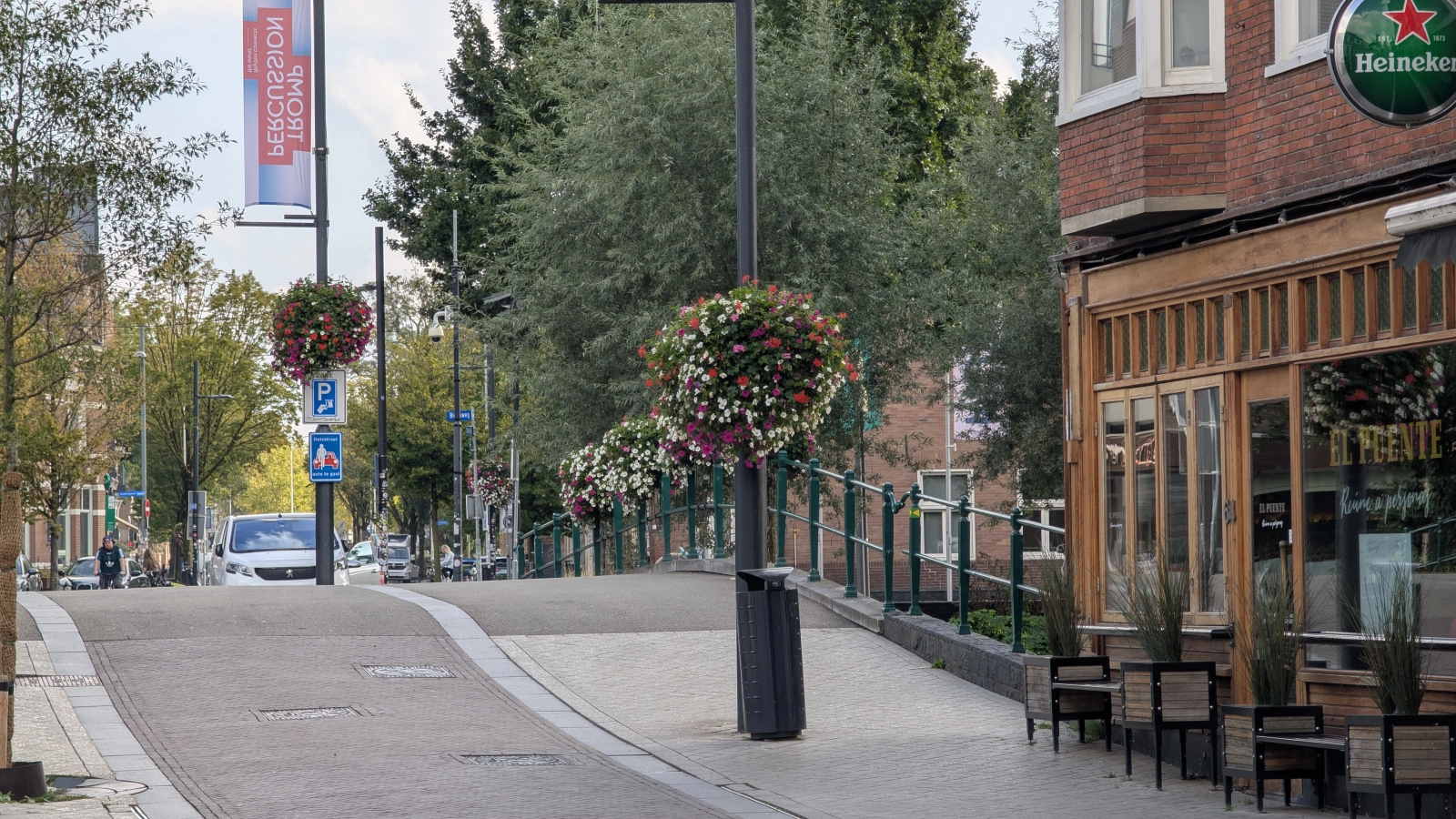
From Amsterdam, we headed towards Utrecht. To be honest, I didn't take many photos along the way. Instead of chasing the perfect shot, I was completely absorbed in observing my surroundings and simply enjoying every moment.
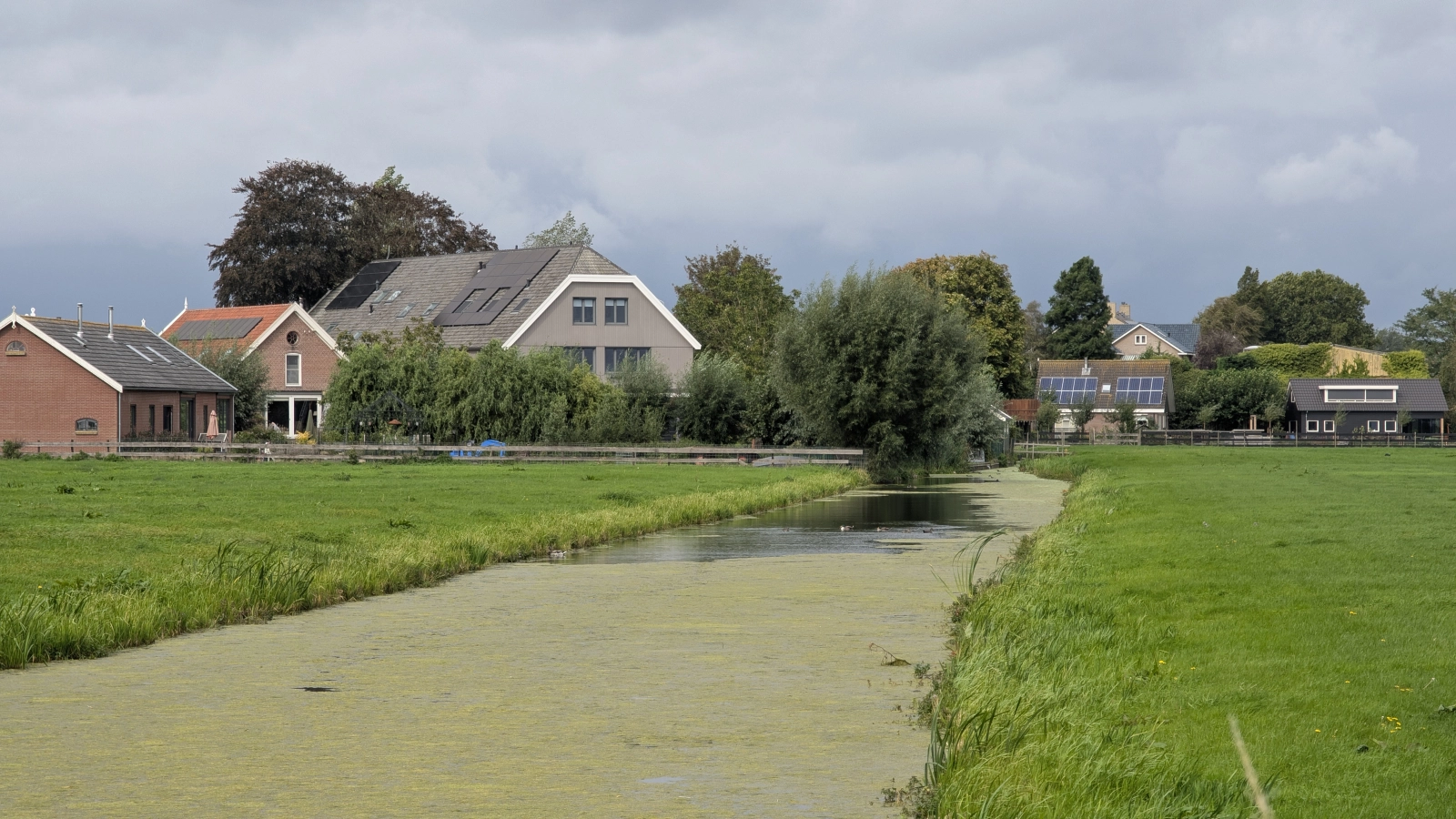
We much preferred the peaceful atmosphere of the smaller towns to the chaos of the capital. Everything there felt incredibly balanced, developed, and almost flawless. Every day, we moved on to a new town or city, covering an average of at least 50 kilometres per day.
Although the flat terrain makes cycling seem effortless at first glance, Dutch nature still showed us its character. Our main challenges were rain and wind. And what stubborn wind it was! Not once did it seem to blow in our favour. Instead, it constantly hit us straight in the face. Nevertheless, with the right equipment and suitable clothing, even these challenges became an enjoyable part of the adventure.
We passed through countless beautiful towns and cities, but Eindhoven turned out to be the most special and memorable place for us. There was something about the city's atmosphere and energy that was difficult to explain. It captivated both of us equally and made us wish we could stay much longer instead of continuing our journey.
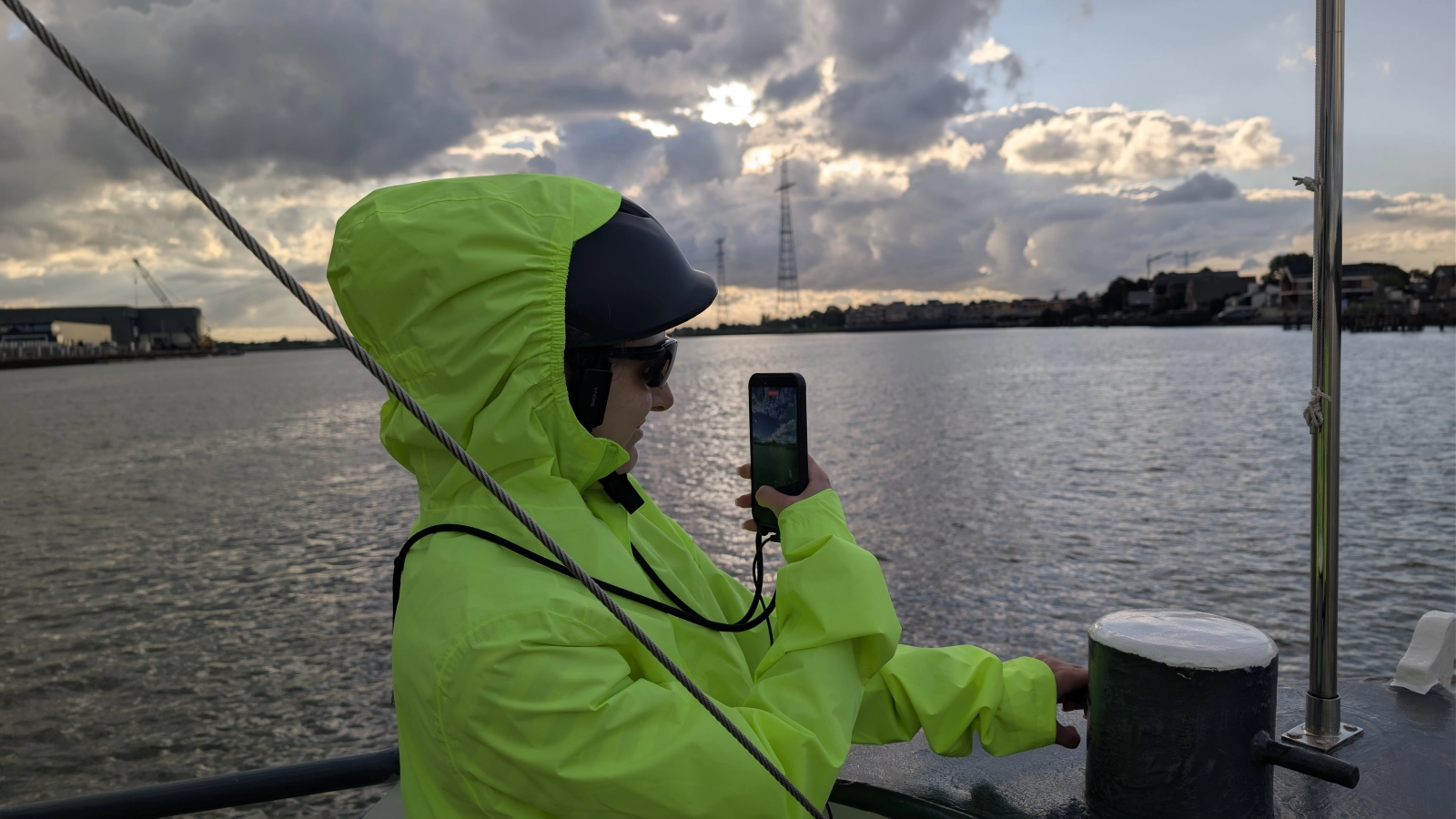
Our route also took us across several rivers, which meant using ferries to reach the other side. It was a fascinating experience: standing on the deck alongside other cyclists and cars, watching the riverbank, and realising how naturally water transport connects with the country's extensive cycling network.
But the warmest memories of all came from the people.
The friendliness of the Dutch was noticeable everywhere. Strangers would look you in the eye, smile, and greet you as you passed. Coming from a place where smiling at strangers on the street is relatively uncommon and can sometimes even seem strange, this initially felt unusual. But when a complete stranger passes you with a simple, genuine smile, you realise how contagious that warmth can be and how a wordless greeting can brighten your entire day.
Another wonderful sight was the cargo bicycles with large boxes at the front, which parents use to transport two or three children, often together with a dog and their groceries, even in the rain and wind. It is yet another reminder that, in the Netherlands, the bicycle truly serves as the main family vehicle.
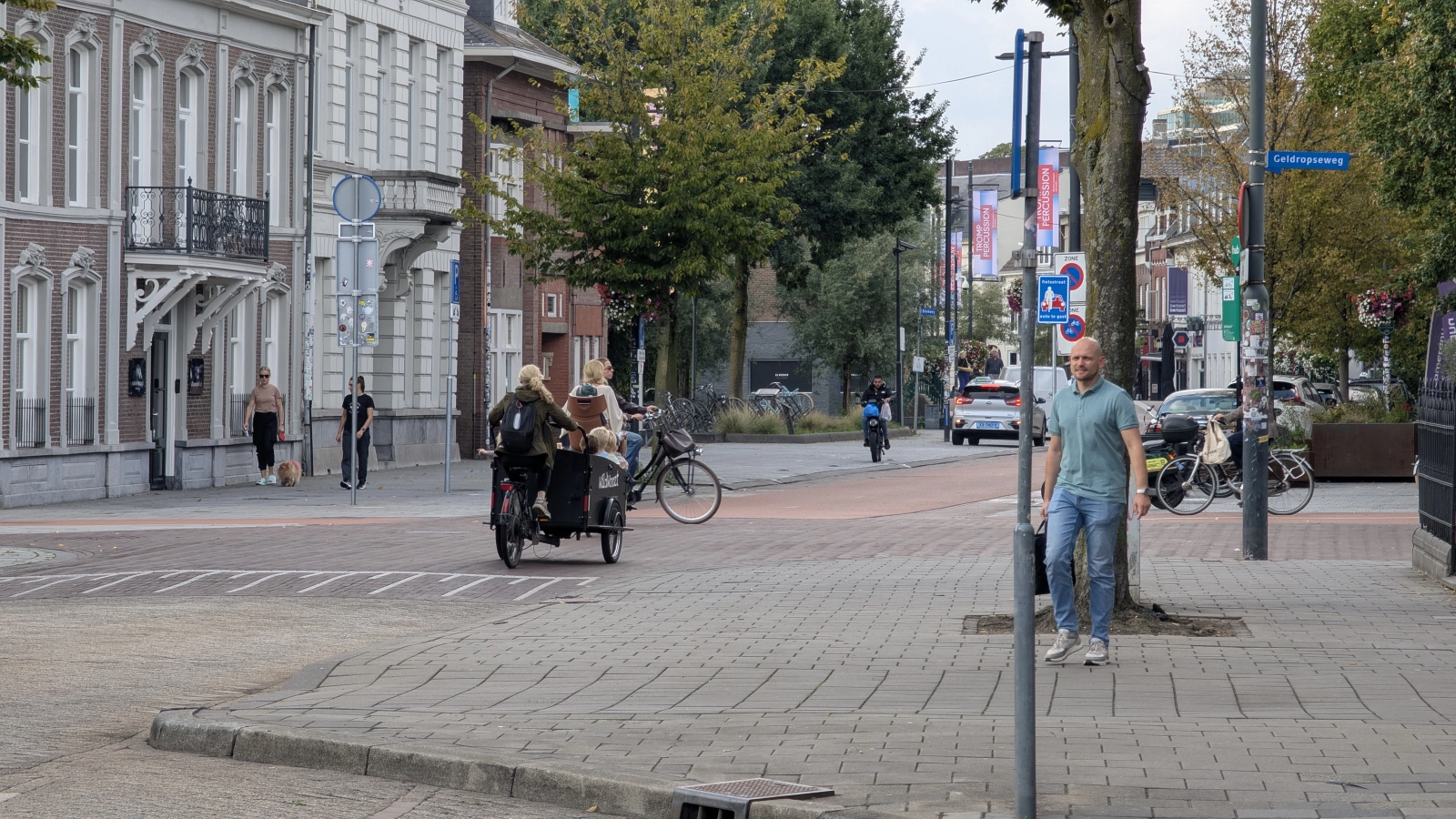
Almost nobody wears a helmet on the streets, apart from sports cyclists and, of course, Goderdzi and me. This isn't because people are breaking the rules. Rather, the cycling infrastructure is so well protected from motor traffic that everyday cycling is perceived as an activity with risks comparable to walking.
It is also common to see Dutch cyclists riding side by side in pairs or groups, chatting and sharing stories as they go. For them, cycling isn't an isolated activity but an opportunity to socialise, connect, and unwind during the day.
Another detail that caught our attention was the bicycles themselves. You rarely see expensive, premium models being used on the streets. Most people ride simple, often quite old and worn bicycles. We later learned that many Dutch people own several bikes. They use inexpensive bicycles for everyday journeys around the city, commuting to work, or leaving at train stations, while keeping their better and more expensive models for longer weekend rides and sports activities.
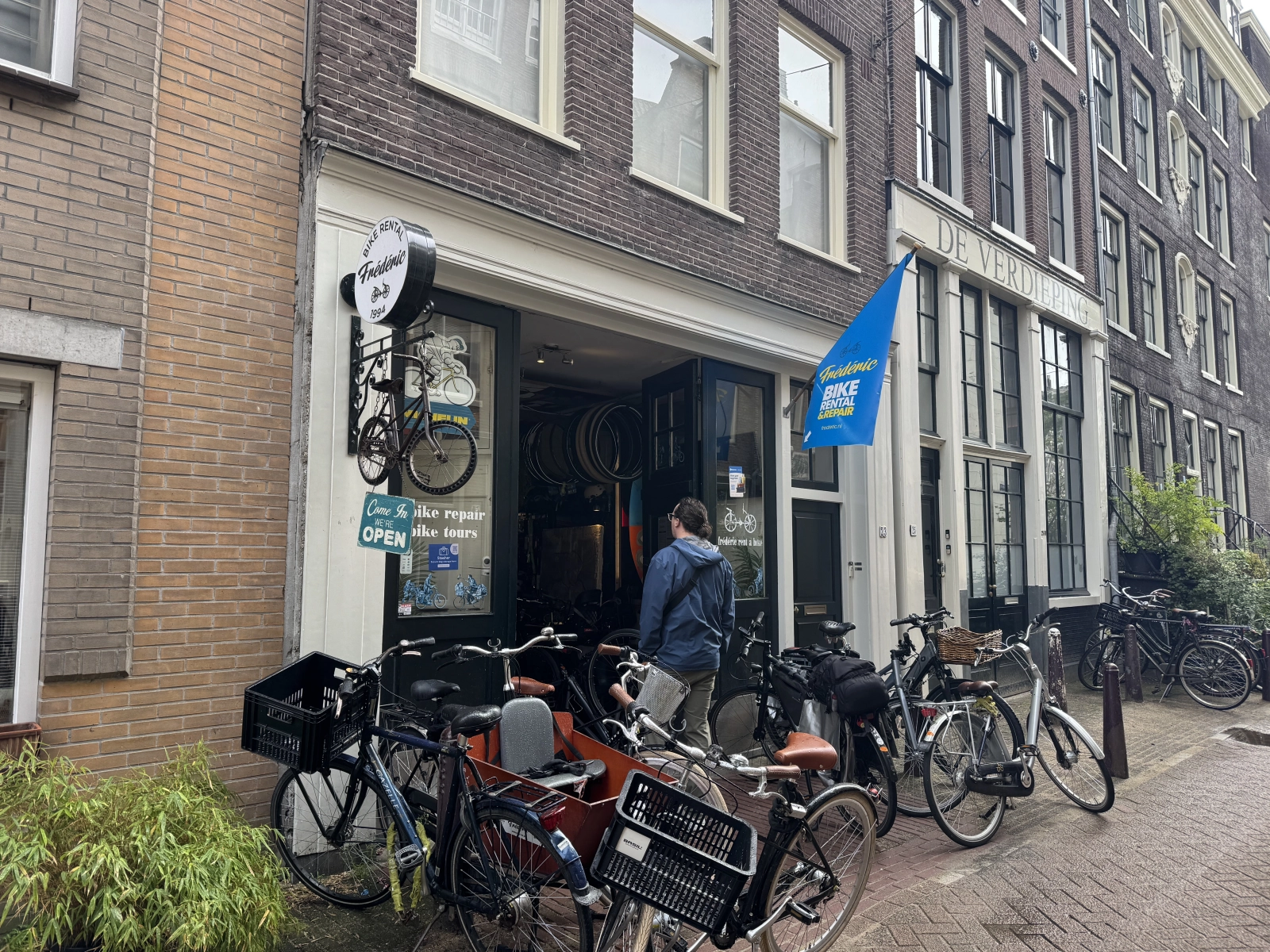
When renting our bicycles, we were strongly warned to lock them securely at all times and never leave valuable belongings unattended in our bags. To be honest, I was a little surprised to hear about the risk of theft in such an organised and seemingly safe environment. However, as we discovered, bicycle theft is quite a common problem in large cities with significant migration flows and diverse populations. That's one of the reasons people are reluctant to leave expensive bicycles unattended on the street.
I brought home far more from this journey than just the kilometres we had covered and the beautiful memories we had made.
After returning home, I realised more clearly than ever that cycling culture is not a luxury, a passing trend, or an inborn privilege belonging to a particular nation. It is a conscious choice — a choice to build cities where human life, peace of mind, and health are the highest priorities.
The most important lesson is that such an environment doesn't simply fall from the sky, nor is it created solely in city hall offices. Real change always begins from the bottom up, with the determination of ordinary people — people who one day stand together and declare that the streets belong to everyone.
Although we still have a long way to go before achieving this reality back home, I know which direction we should be heading. Every new person who chooses mutual respect, whether behind the wheel of a car or riding a bicycle, represents another step forward on this long journey.


Comments (1)